In today’s fast-paced world, making informed dietary choices has become more crucial than ever. With a plethora of food options available, understanding nutrition facts is a key tool in navigating the complex landscape of food choices. Nutrition facts labels, found on the packaging of food products, provide essential information about the nutritional value of the food item inside. These labels can help consumers make healthier food choices, manage dietary conditions, and maintain an overall well-balanced diet. This blog post delves into what nutrition facts are, outlines their components, and explores the myriad benefits they offer to individuals aiming to lead a healthier lifestyle. By understanding and utilizing nutrition facts effectively, consumers can take control of their dietary habits and make strides towards achieving their health and wellness goals.
Understanding Nutrition Facts
Contents
- 1 Understanding Nutrition Facts
- 2 The Benefits of Reading Nutrition Facts
- 3 Nutrition Facts and Diet Planning
- 4 Impact on Public Health
- 5 Challenges and Considerations
- 6 Conclusion
- 7 FAQ on Nutrition Facts
- 7.1 How Do Nutrition Facts Help in Managing Food Allergies?
- 7.2 Can Nutrition Facts Labels Help in Weight Loss Efforts?
- 7.3 How Accurate Are Nutrition Facts Labels?
- 7.4 How Can Vegetarians and Vegans Use Nutrition Facts to Ensure They’re Getting Enough Protein?
- 7.5 What Are the Most Common Misinterpretations of Nutrition Facts Labels?
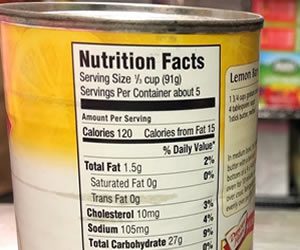
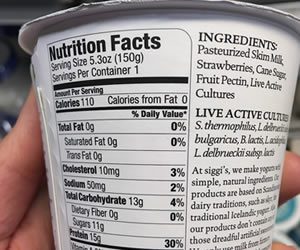
Nutrition facts labels are standardized labels on food packaging that provide information about the nutritional value of the food item. They are designed to help consumers make informed choices about the foods they eat. The primary components of a nutrition facts label include:
- Calories: This indicates the amount of energy provided by the food. Understanding caloric intake is crucial for weight management.
- Macronutrients: These include carbohydrates, proteins, and fats, which are essential for the body’s energy, growth, and repair.
- Vitamins and Minerals: These are micronutrients necessary for various bodily functions, including immune response, bone health, and blood clotting.
- Serving Size: This is arguably one of the most critical parts of the label, indicating how much of the food constitutes a single serving. The nutritional information provided relates directly to this serving size.
- Percent Daily Values (%DV): These numbers help consumers understand how the nutrients in a serving of the food contribute to their overall daily dietary requirements.
Reading and interpreting nutrition labels is a skill that requires some basic knowledge. The serving size is a starting point for understanding the rest of the label. It’s essential to compare the serving size on the label with the amount you actually consume. The %DV offers a framework for determining if a serving of food is high or low in a particular nutrient, based on a daily intake of 2,000 calories. A %DV of 5% or less indicates a low amount of a nutrient, while 20% or more suggests a high amount.
Understanding these components is the first step toward making healthier food choices. By paying attention to the nutrition facts label, consumers can better manage their intake of calories, macronutrients, and micronutrients, tailoring their diet to meet personal health goals and dietary needs.
This section introduces readers to the concept of nutrition facts and their key components, setting the stage for a deeper exploration of their benefits in the subsequent sections.
The Benefits of Reading Nutrition Facts
Understanding nutrition facts labels goes beyond mere curiosity; it empowers individuals to make informed dietary choices that can significantly enhance their health and well-being. Here are some key benefits:
- Making Healthier Food Choices: By comparing labels, consumers can choose foods lower in saturated fats, sugars, and sodium — key contributors to chronic health conditions such as heart disease and diabetes. For instance, opting for products with higher fiber content can improve digestive health and provide a sense of fullness, aiding in weight management.
- Managing Dietary Conditions: For individuals with specific dietary needs, such as diabetes or high blood pressure, reading nutrition facts is indispensable. It allows for the monitoring of carbohydrate intake, crucial for blood sugar management, and sodium intake, essential for blood pressure control.
- Weight Management and Control: Caloric awareness is fundamental to weight management. Nutrition labels provide clear information on calorie content, enabling individuals to monitor their intake based on their metabolic needs and weight goals. This awareness facilitates a balance between caloric intake and expenditure, crucial for weight loss or maintenance.
Nutrition Facts and Diet Planning
Nutrition facts are not just about avoiding certain foods; they’re a tool for creating a balanced and nutritious diet.
- Aid in Balanced Meal Planning: By understanding the macronutrient and micronutrient content of foods, individuals can tailor their meals to ensure a balance of proteins, fats, carbohydrates, vitamins, and minerals. This balance is essential for overall health, energy levels, and prevention of nutrient deficiencies.
- Role of Macronutrients and Micronutrients: Macronutrients provide the energy needed for daily activities, while micronutrients support various bodily functions, including bone health, immune response, and blood clotting. Nutrition facts help in ensuring that diet plans are not just calorie-appropriate but nutritionally rich.
- Tips for Using Nutrition Facts for Meal Prep and Grocery Shopping: Start by planning meals around nutrient-dense foods, using nutrition labels to identify these options. Look for whole foods with minimal added sugars and low in saturated fats while being high in fiber and essential nutrients.
Impact on Public Health
The widespread use of nutrition facts labels has potential implications for public health.
- Nutrition Label Awareness and Public Health Outcomes: Studies have shown that increased awareness and understanding of nutrition facts labels correlate with healthier eating choices, which can lead to improved population health outcomes. For example, labeling has been linked to reduced consumption of foods high in fats, sugars, and sodium.
- Influence of Nutrition Facts on Dietary Habits: Research indicates that nutrition labels can significantly influence consumer behavior, leading to healthier dietary choices when labels are clear and easily understandable.
- Future Implications for Food Policies and Education: The ongoing analysis of the impact of nutrition facts on dietary habits can inform future food policies, potentially leading to stricter labeling requirements and more comprehensive public health campaigns focused on nutritional education.
Challenges and Considerations
While nutrition facts provide a valuable resource, there are challenges and considerations in their use.
- Interpreting Nutrition Facts Correctly: Misinterpretation of labels can lead to poor dietary choices. Educational initiatives are necessary to improve label literacy.
- Misleading Food Labels and Marketing Tactics: Some products may highlight certain nutrients or health benefits while downplaying less desirable aspects, such as high sugar content. Consumers must critically assess labels as a whole.
- Whole Food Quality Beyond the Label: Nutrition facts don’t capture the quality of whole foods or the benefits of a diet rich in fresh, unprocessed foods. It’s essential to balance label information with the consumption of whole foods.
Conclusion
Nutrition facts are a powerful tool in the quest for a healthier lifestyle. They empower consumers to make informed food choices, manage dietary conditions, and plan balanced meals. The benefits extend beyond individual health, potentially influencing public health outcomes through better dietary habits. Despite challenges, the importance of understanding and utilizing nutrition facts cannot be overstated. As we become more label literate, we move closer to achieving personal health goals and contributing to a healthier society. Let this be an encouragement to begin the practice of reading nutrition labels — a small step towards a significant impact on your health.
This comprehensive exploration of nutrition facts and their benefits should provide readers with a deep understanding of the topic, equipping them with the knowledge to make healthier food choices and understand the broader implications of nutrition labeling on public health and personal wellness.
FAQ on Nutrition Facts
How Do Nutrition Facts Help in Managing Food Allergies?
- Understanding Ingredient Lists: Nutrition facts labels include a list of ingredients, which is crucial for individuals with food allergies. This section helps in identifying potential allergens, such as nuts, dairy, soy, and gluten. By law, food manufacturers are required to highlight common allergens, making it easier for consumers to avoid foods that could trigger allergic reactions.
- Cross-Referencing with Allergen Statements: In addition to the ingredient list, look for allergen statements (“may contain”) that indicate possible cross-contamination. This information is especially important for those with severe allergies, where even trace amounts of an allergen can cause reactions.
- Choosing Safe Alternatives: By comparing nutrition facts and ingredient lists across different products, individuals with allergies can find safer alternatives that meet their nutritional needs without risking exposure to allergens.
Can Nutrition Facts Labels Help in Weight Loss Efforts?
- Calorie Tracking: Nutrition facts provide calorie information, which is fundamental in creating a calorie deficit for weight loss. By knowing the calorie content of foods, individuals can better manage their daily intake to align with weight loss goals.
- Macronutrient Balance: Labels also break down the food’s macronutrient content (carbohydrates, proteins, fats), allowing for a balanced diet that supports weight loss. High-protein, low-carb options might be preferred for those aiming to lose weight, as protein can increase satiety.
- Identifying Low-Nutrient Foods: Foods high in added sugars and low in fiber might contribute to weight gain. Nutrition labels help in identifying and avoiding such foods, encouraging choices that are both nutritious and supportive of weight loss.
How Accurate Are Nutrition Facts Labels?
- FDA Regulations: The U.S. Food and Drug Administration (FDA) requires that nutrition facts labels must be accurate within certain tolerances. While there is room for slight variation, manufacturers are expected to ensure their labels reflect the nutrient content of their products as closely as possible.
- Variability in Natural Products: For whole foods like fruits and vegetables, nutrient content can vary due to factors like ripeness and growing conditions. However, the nutrition facts for these products are averages that provide a general guideline.
- Importance of Serving Size: Accuracy also depends on the serving size. Consumers need to adjust the nutritional information based on the actual amount consumed if it differs from the serving size listed on the label.
How Can Vegetarians and Vegans Use Nutrition Facts to Ensure They’re Getting Enough Protein?
- Identifying Protein-Rich Plant Foods: Nutrition facts labels can help vegetarians and vegans identify plant-based foods that are high in protein, such as legumes, nuts, seeds, and soy products. Checking the protein content per serving size enables these individuals to incorporate sufficient protein into their diets.
- Complete vs. Incomplete Proteins: It’s also important for vegetarians and vegans to combine different plant proteins to ensure they’re getting all essential amino acids. Labels can help in planning meals that combine sources of incomplete proteins to form a complete protein profile.
- Supplemental Nutrients: Besides protein, vegetarians and vegans should pay attention to nutrition labels for other nutrients that might be challenging to obtain from a plant-based diet, such as vitamin B12, iron, and calcium. Fortified foods can be identified through their labels, ensuring adequate intake of these essential nutrients.
What Are the Most Common Misinterpretations of Nutrition Facts Labels?
- Misunderstanding Serving Sizes: One of the most common mistakes is not realizing that the nutritional information provided relates to a specific serving size, not necessarily the entire package. This can lead to underestimating calorie and nutrient intake.
- Overlooking added sugars: With the recent changes in nutrition facts labels, added sugars are now listed separately from total sugars. However, consumers may still overlook this distinction, not realizing how much sugar is added versus naturally occurring in foods like fruit.
- Ignoring Nutrient Density: Focusing solely on calorie content can lead to choices that are low in calories but also low in nutritional value. It’s crucial to consider the nutrient density of foods, opting for those that offer more vitamins, minerals, and fiber relative to their calorie content.