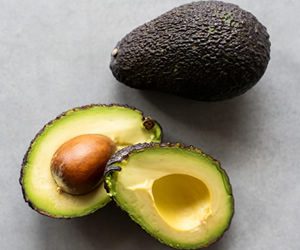
Top 10 Nutrition Facts About Avocados
Contents
- 1 Top 10 Nutrition Facts About Avocados
- 2 What Are the Main Nutrients in Avocados?
- 3 Are Avocados Good for Weight Loss?
- 4 How Do Avocados Affect Heart Health?
- 5 Do Avocados Improve Skin and Eye Health?
- 6 Can You Eat Too Much Avocado?
- 7 3 Surprising Facts About Avocados You Might Not Know
- 8 Conclusion: Should You Add Avocados to Your Diet?
Avocados are one of the most talked-about foods when it comes to healthy eating. You see them in salads, smoothies, sandwiches, and even desserts. They’re known for being “good for you,” but what exactly makes them so special?
Many adults include avocados in their diets because they’ve heard they’re full of healthy fats. But is that the full story? You might be surprised to learn that avocados do much more than that. They’re packed with nutrients that can help your heart, brain, skin, and digestion.
Here’s a question for you:
-
Do you know how many calories are in an avocado?
-
Is avocado fat really healthy?
-
Can eating too much avocado be bad for you?
These are the types of questions people ask every day — and this article answers them in a simple and clear way.
Quick Answer to a Common Question
Is it OK to eat an avocado every day?
Yes, eating one avocado per day is generally healthy for most adults. It gives you fiber, good fats, and essential vitamins without raising your bad cholesterol. Just be mindful of portion sizes if you’re watching calories.
What Are the Main Nutrients in Avocados?
Avocados are a rich source of healthy fats, especially monounsaturated fats. These are the same fats found in olive oil, which help support heart health. In one medium avocado, you get about 15 grams of healthy fat.
They also give you fiber. A whole avocado has around 10 grams of fiber, which is more than many fruits. This helps with digestion and keeps you feeling full longer.
Avocados are full of important vitamins and minerals. These include:
-
Vitamin K – helps your blood clot properly
-
Vitamin E – protects your cells from damage
-
Vitamin C – boosts your immune system
-
B vitamins – support energy levels and brain health
-
Potassium – helps control blood pressure (even more than a banana)
In short, avocados are nutrient-dense. This means they give you a lot of nutrition for the amount of food you’re eating.
Are Avocados Good for Weight Loss?
Healthy Fats That Keep You Full
The fats in avocados are not the kind that make you gain weight. In fact, these healthy fats help you feel full longer. When you feel full, you’re less likely to snack on unhealthy foods.
Fiber Helps With Digestion
Fiber is a key part of any weight loss plan. It helps regulate your blood sugar and digestion. A fiber-rich fruit like avocado can support a healthy gut and reduce cravings.
Portion Control Still Matters
One avocado has about 240 calories. That’s fine if you’re eating it as part of a balanced meal. But if you’re adding avocados to every dish, you may be getting more calories than you think. Half an avocado is often enough for one meal.
How Do Avocados Affect Heart Health?
Avocados are known for supporting heart health, and that’s backed by science. Their high content of monounsaturated fats helps reduce the risk of heart disease, especially when used in place of saturated or trans fats.
Monounsaturated Fats and Cholesterol
Monounsaturated fats help improve your blood cholesterol levels. They can lower your LDL (bad) cholesterol and raise HDL (good) cholesterol when part of a balanced diet. This reduces the risk of plaque buildup in the arteries, which is a key cause of heart attacks and strokes.
Avocados contain about 5 grams of monounsaturated fat per half fruit. That’s a solid amount for a small serving, making them a heart-friendly choice.
Potassium That Supports Healthy Blood Pressure
Avocados are rich in potassium, which is essential for controlling blood pressure. High blood pressure puts stress on your heart, and most people don’t get enough potassium in their daily diet.
One avocado provides more potassium than a banana — over 700 mg. This helps relax blood vessels and remove excess sodium from the body, which supports a healthy blood pressure level.
No Sodium or Added Sugar
Avocados are naturally low in sodium and sugar. This is rare for something that tastes rich and creamy. That means they don’t add to your salt intake, which can harm your heart if consumed in excess.
In short, avocados help your heart by:
-
Lowering bad cholesterol
-
Providing potassium
-
Avoiding added sodium and sugar
Do Avocados Improve Skin and Eye Health?
Rich in Antioxidants
Avocados contain lutein and zeaxanthin, antioxidants that protect your eyes from harmful light and age-related problems like cataracts. These nutrients are stored in the macula, a small part of the retina that handles central vision.
Eating avocados regularly can help keep your vision sharp, especially as you age.
Healthy Fats for Skin Moisture
Your skin needs healthy fats to stay soft and smooth. The monounsaturated fats in avocados help your skin stay hydrated from the inside. This can reduce dryness and even support healing from sun damage.
Vitamin E and C Combo
Vitamin E is known for its skin benefits. It fights free radicals — molecules that damage skin cells. Avocados also contain vitamin C, which helps the body make collagen, a protein that keeps skin firm and elastic.
Together, these vitamins work as a team to protect and refresh your skin.
Can You Eat Too Much Avocado?
Avocados are healthy, but like anything, too much of a good thing can be a problem. While they are packed with nutrients, they’re also high in calories and fat.
High-Calorie Content
A medium avocado has around 240–250 calories. If you eat one every day without adjusting other parts of your diet, it might lead to weight gain over time. That’s especially true if you already eat a high-fat or high-calorie diet.
Fat Adds Up Fast
Even though avocado fat is healthy, it’s still fat. Eating several avocados per day can push your fat intake too high. That can impact your heart and digestion if your overall diet isn’t balanced.
What’s a Safe Amount?
Most adults can safely eat half to one avocado per day, depending on their calorie needs and lifestyle. If you’re active and eat clean, one avocado a day fits well into a healthy routine.
3 Surprising Facts About Avocados You Might Not Know
1. They Help You Absorb More Nutrients
Avocados boost the absorption of fat-soluble vitamins like A, D, E, and K. So when you add avocado to a salad, your body absorbs more nutrients from the vegetables.
2. Not All Avocados Are the Same
Hass avocados are the most common type and contain more fat than larger, smoother varieties like the Florida avocado. If you’re counting calories, choose the variety that best fits your goals.
3. They’re Technically a Berry
Avocados are classified as a single-seeded berry. Strange but true — and it shows how unique they are compared to other fruits.
Conclusion: Should You Add Avocados to Your Diet?
If you’re focused on eating clean and staying healthy, avocados are a smart addition to your meals. They offer:
-
Heart-friendly fats
-
Gut-supporting fiber
-
Skin and eye-protecting antioxidants
-
Important vitamins like K, E, and C
-
More potassium than most fruits
But like all nutritious foods, balance is key. Stick to one avocado or less per day, and pair it with other whole foods. Whether you’re building a better breakfast, a healthier lunch, or a filling snack, avocados can play a solid role in your daily nutrition.
Keep things simple, watch your portions, and enjoy the benefits — one creamy slice at a time.