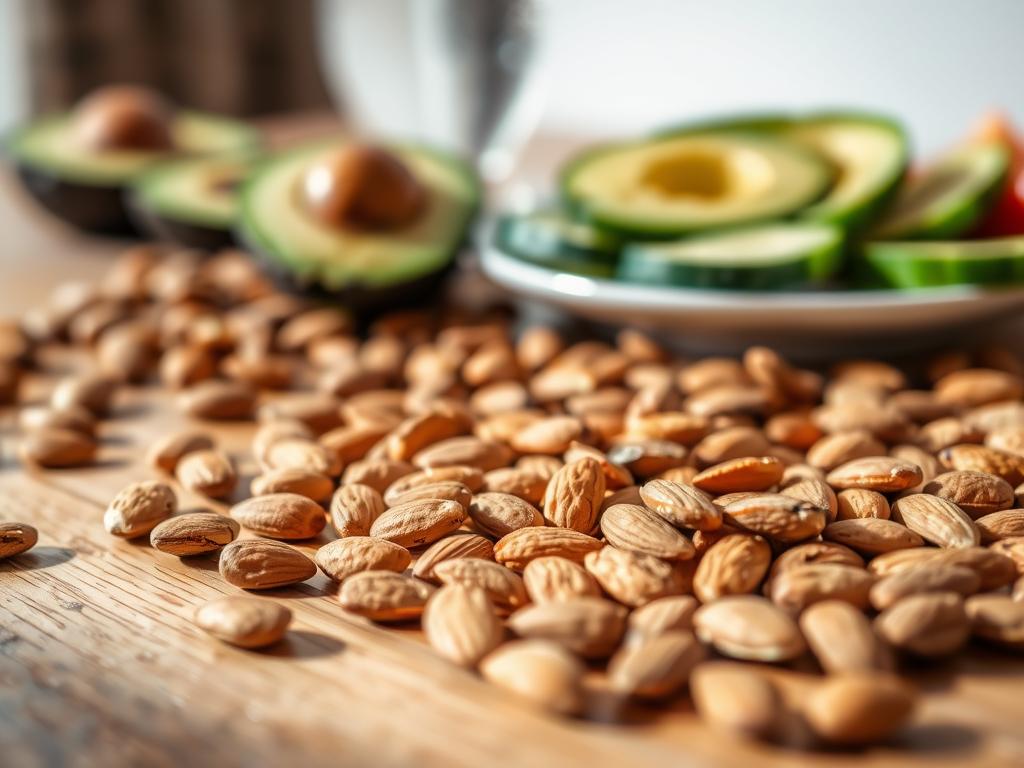
Are you wondering if almonds can be a part of your keto diet? With the increasing popularity of the ketogenic diet, understanding how different foods fit into this dietary regimen is crucial. Almonds, being a nutrient-rich snack, are a common query among keto dieters.
Almonds are rich in healthy fats, protein, and fiber, making them a potentially valuable component of a keto diet. However, their caloric density and carbohydrate content must be considered to maintain the diet’s strict macronutrient ratios.
Understanding the nutritional profile of almonds is key to incorporating them effectively into a keto diet. This involves not just counting calories, but also being mindful of the diet’s requirements for fat, protein, and carbohydrate intake.
Key Takeaways
- Almonds can be part of a keto diet due to their high fat content.
- The caloric density of almonds requires mindful portion control.
- Understanding the nutritional profile of almonds is crucial for keto dieters.
- Almonds contribute to the daily intake of fats, protein, and fiber.
- Portion control is key to maintaining keto diet macronutrient ratios.
Understanding Calories in Almonds
To make informed dietary choices, it’s essential to understand the nutritional value of almonds, particularly their calorie count. Almonds are a popular snack among health-conscious individuals due to their rich nutritional profile.
Nutritional Profile of Almonds
Almonds are a nutrient-dense food, providing a good source of healthy fats, protein, and fiber. One ounce of almonds (about 23 nuts) contains 161 calories, 6 grams of protein, and 3.5 grams of fiber. They are also rich in vitamins and minerals, including vitamin E, magnesium, and potassium.
- 14 grams of fat, mostly monounsaturated
- 6 grams of protein
- 3.5 grams of fiber
- Rich in vitamin E, magnesium, and potassium
Caloric Content Per Serving
The caloric content of almonds is significant due to their high fat content. One serving size (1 ounce or 28g) contains approximately 161 calories. It’s crucial to be mindful of portion sizes to avoid excessive calorie intake.
Comparing Almonds to Other Nuts
When comparing almonds to other nuts, their caloric content is relatively similar. For example, one ounce of walnuts contains about 185 calories, while the same amount of pecans contains around 196 calories. However, almonds have a unique nutritional profile that makes them a preferred choice for many.
“Almonds are an excellent snack for those on a keto diet due to their high fat content and low carbohydrate levels.”
In conclusion, understanding the calories in almonds is vital for incorporating them into your diet effectively. By being aware of their nutritional profile and caloric content, you can enjoy almonds as a healthy and satisfying snack.
Almonds and the Keto Diet
Almonds, rich in healthy fats and low in carbohydrates, are a popular snack among those following the keto diet. The keto diet, short for ketogenic diet, is a dietary regimen that focuses on high-fat, moderate-protein, and very low-carbohydrate intake. This diet has gained popularity for its potential benefits in weight loss and improving certain health conditions.
Why Choose Almonds for Keto?
Almonds are an excellent choice for individuals on the keto diet due to their nutritional profile. They are high in healthy fats, which are essential for maintaining the state of ketosis, a metabolic state in which your body burns fat for fuel instead of carbohydrates. One ounce of almonds contains approximately 14 grams of fat, making them a satisfying snack that supports the keto diet’s high-fat requirements.
Moreover, almonds are rich in vitamins and minerals, including vitamin E, magnesium, and potassium. These nutrients are crucial for overall health and can help mitigate some of the potential side effects of the keto diet, such as nutrient deficiencies.
Fat Content vs. Carbohydrates
Understanding the balance between fat content and carbohydrates in almonds is crucial for keto dieters. While almonds are relatively high in fat, they also contain some carbohydrates. One ounce of almonds contains about 6 grams of carbohydrates, with 3.5 grams being fiber. This means the net carb count is approximately 2.5 grams per ounce, which is relatively low and can fit within the keto diet’s carbohydrate limits.
| Nutrient | Amount per Ounce | % Daily Value |
|---|---|---|
| Fat | 14g | 22% |
| Carbohydrates | 6g | 2% |
| Fiber | 3.5g | 14% |
| Protein | 6g | 12% |
In conclusion, almonds are a nutritious and suitable snack for individuals following the keto diet, providing a good balance of healthy fats and low carbohydrates. By incorporating almonds into their diet, keto dieters can enjoy a satisfying snack while supporting their overall nutritional needs.
The Role of Calories in Weight Loss
The process of weight loss is deeply connected to caloric intake, a factor that cannot be overlooked on a keto diet. Understanding how calories impact weight loss is crucial for making informed dietary choices.
How Almonds Can Support Weight Loss
Almonds are a nutrient-dense snack that can support weight loss efforts. They are rich in healthy fats and protein, which can help keep you full and satisfied, reducing the likelihood of overeating. The nutritional value of almonds makes them an excellent choice for those on a keto diet.
Incorporating almonds into your diet can be done in various ways. You can enjoy them as a snack on their own, add them to your keto-friendly meals, or use almond flour in baking. The key is to consume them in moderation due to their high caloric content.
Balancing Caloric Intake
Balancing caloric intake is essential for weight loss on a keto diet. It involves not just reducing calories but ensuring that you are consuming the right balance of nutrients. Almonds can be a valuable part of this balance due to their high content of healthy fats and fiber.
To effectively balance your caloric intake, consider the following tips:
- Monitor your daily caloric needs and adjust your intake accordingly.
- Choose nutrient-dense foods like almonds that provide satiety and nutritional benefits.
- Avoid overconsumption of high-calorie foods, even if they are keto-friendly.
By understanding the role of calories in weight loss and incorporating nutrient-dense foods like almonds, you can make significant progress on your keto journey. Remember, the goal is to achieve a balance that supports your overall health and weight loss goals.
Incorporating Almonds into Daily Meals
Incorporating almonds into your daily meals can be a delicious and nutritious way to support your keto diet. Almonds are rich in healthy fats, protein, and fiber, making them an ideal snack or ingredient for various keto recipes.
Snack Ideas with Almonds
Almonds can be enjoyed in numerous ways as a snack. You can eat them raw, roasted, or seasoned with herbs and spices. Here are some snack ideas:
- Raw almonds with cheese
- Almonds roasted with olive oil and salt
- Almond butter on celery sticks
- Almonds sprinkled over a keto salad

Click here to preview your posts with PRO themes ››
When snacking on almonds, it’s essential to be mindful of the almond serving size to keep your calorie intake in check. A serving size of almonds is typically one ounce, or about 23 nuts.
Almond-Based Keto Recipes
Almonds can be a versatile ingredient in keto recipes, adding texture, flavor, and nutrition. Here are some ideas for keto recipes that feature almonds:
- Almond-crusted chicken breast
- Keto almond macarons
- Almond flour pancakes
- Almond and cheese keto fat bombs
These recipes not only taste great but also help maintain the keto diet’s requirements by focusing on high-fat, moderate-protein, and low-carbohydrate ingredients.
Health Benefits of Almonds
As a nutrient-dense food, almonds provide a range of health benefits that can support overall well-being. They are rich in vitamins, minerals, and healthy fats, making them a valuable addition to a balanced diet.
Nutrient Density and Satiety
Almonds are an excellent source of nutrients, including protein, fiber, and healthy fats. The combination of these nutrients helps to promote feelings of fullness and satisfaction, making almonds an effective snack for managing hunger. The high fiber content in almonds also supports healthy digestion.
Eating almonds can help you feel fuller for longer, reducing the likelihood of overeating and supporting weight management efforts. The satiety effect of almonds is attributed to their nutrient-dense profile, which includes a mix of protein, healthy fats, and fiber.
Almonds and Heart Health
Almonds have been shown to have a positive impact on heart health, primarily due to their high levels of monounsaturated fats, which can help lower LDL cholesterol and reduce the risk of heart disease. The antioxidants present in almonds also contribute to their heart health benefits.
The nutritional profile of almonds supports cardiovascular health by providing essential nutrients and healthy fats. Incorporating almonds into your diet can be a simple and effective way to support heart health and overall well-being.
Almonds as a Source of Healthy Fats
Almonds are not only a tasty snack but also a powerhouse of healthy fats, crucial for a keto lifestyle. The keto diet emphasizes the intake of fats as a primary source of energy, and almonds fit perfectly into this requirement. You can easily incorporate almonds into your daily meals to boost your healthy fat intake.
Mono-Unsaturated Fats Explained
Almonds are rich in mono-unsaturated fats, a type of healthy fat that plays a significant role in maintaining heart health and supporting the keto diet. Mono-unsaturated fats help in reducing bad cholesterol levels and are known for their anti-inflammatory properties. They are an essential component of a balanced keto diet, providing the necessary fats for energy production.
Mono-unsaturated fats are particularly beneficial because they are more stable than polyunsaturated fats, making them less likely to become rancid when consumed. This stability is crucial for maintaining the quality of the fats in your diet.
Benefits of Healthy Fat on Keto
The keto diet relies heavily on the consumption of healthy fats to maintain a state of ketosis. Almonds, being a rich source of these fats, offer several benefits:
- Support energy production
- Help maintain heart health
- Provide a feeling of satiety, reducing the need for frequent snacking
- Rich in nutrients and antioxidants
The table below summarizes the nutritional benefits of almonds in the context of a keto diet:
| Nutrient | Amount per 1 oz serving | Benefit |
|---|---|---|
| Total Fat | 14g | Supports keto diet requirements |
| Mono-unsaturated Fat | 9g | Heart health and anti-inflammatory |
| Protein | 6g | Supports muscle health |
| Carbohydrates | 6g | Low carb content suitable for keto |
By incorporating almonds into your keto diet, you can reap the benefits of healthy fats while enjoying a nutritious and satisfying snack.
Portion Control for Almonds
To reap the benefits of almonds on a keto diet, mastering portion control is essential. Almonds are nutrient-dense, but they are also high in calories, making it easy to overconsume them. Understanding the appropriate serving size and being mindful of caloric intake can help you enjoy almonds while maintaining your dietary goals.
Recommended Serving Size
A standard serving size for almonds is about 1 ounce, which translates to approximately 23 almonds. This serving size provides a good balance of healthy fats, protein, and fiber. To put this into perspective, one serving of almonds (1 ounce or 23 nuts) contains around 161 calories, 14g of fat, 6g of protein, and 3.5g of fiber.
Caloric Awareness in Snacking
Being aware of the calorie count in almonds is crucial, especially when snacking. It’s easy to mindlessly munch on almonds, potentially consuming a large number of calories without realizing it. To avoid this, consider portioning out your almonds into individual servings rather than eating them straight from the bag. This simple practice can help you stay within your daily caloric needs and maintain a balanced keto diet.
Additionally, combining almonds with other nutrient-dense foods can enhance satiety and help control overall calorie intake. For example, pairing almonds with vegetables or using them as a topping for a keto-friendly salad can add crunch and nutrition without excessive calories.
Common Myths about Almonds and Keto
Separating fact from fiction is crucial when it comes to almonds and keto. Many people have misconceptions about how almonds fit into a ketogenic diet, often due to misunderstandings about their caloric and carbohydrate content.
Debunking Calories Myths
One common myth is that almonds are too high in calories to be part of a keto diet. While it’s true that almonds are calorie-dense, they can still be a valuable part of a ketogenic eating plan when consumed in moderation.
A serving size of about 1 ounce (28g) of almonds contains approximately 161 calories, along with 6 grams of protein and 4 grams of carbohydrates. The key is to balance these calories within your daily macronutrient needs.
Nutritional Breakdown of Almonds:
| Nutrient | Amount per 1 oz (28g) |
|---|---|
| Calories | 161 |
| Protein | 6g |
| Carbohydrates | 4g |
| Fat | 14g |
Almonds and Carbohydrate Concerns
Another concern is that almonds are too high in carbohydrates for a keto diet. However, the net carb count in almonds is relatively low, making them a suitable snack for many keto dieters.
“Almonds are a good source of healthy fats and protein, making them a nutritious choice for those on a ketogenic diet.”
To put this into perspective, a 1-ounce serving of almonds contains about 4 grams of carbs, but 2 grams of that is fiber, resulting in a net carb count of 2 grams per serving.
By understanding the nutritional profile of almonds and incorporating them into your diet in moderation, you can enjoy their health benefits while maintaining a state of ketosis.
Conclusion: Enjoying Almonds on a Keto Journey
As you’ve learned, incorporating almonds into your keto diet can be a nutritious and delicious choice, providing a boost of healthy fats and supporting overall well-being. The key to enjoying almonds on a keto journey is moderation.
Practicing Moderation
Being mindful of portion sizes is crucial, as almonds are calorie-dense. A serving size of about 1 ounce, or 23 nuts, provides the perfect balance of nutrition without excessive calories.
A Sustainable Snack Option
Almonds offer a sustainable snacking option for those on a keto diet, rich in mono-unsaturated fats and low in carbohydrates. By incorporating almonds into your daily meals, you can reap the almond health benefits while staying on track with your keto diet goals.
FAQ
How many calories are in a serving of almonds?
A serving size of almonds, which is about 1 ounce or 23 nuts, contains approximately 161 calories.
Are almonds a good snack for a keto diet?
Yes, almonds can be a good snack for a keto diet due to their high fat content and relatively low carbohydrate count. However, it’s essential to be mindful of portion sizes due to their calorie density.
What is the nutritional profile of almonds?
Almonds are rich in healthy fats, protein, and fiber, making them a nutrient-dense snack. They are also a good source of vitamins and minerals like vitamin E and magnesium.
How do almonds compare to other nuts in terms of calorie content?
Almonds are relatively similar to other nuts in terms of calorie content. For example, a serving of almonds (1 ounce) contains about 161 calories, while a serving of walnuts (1 ounce) contains about 185 calories.
Can almonds support weight loss on a keto diet?
Yes, almonds can support weight loss on a keto diet by providing a feeling of fullness and satisfaction due to their high fat and fiber content, which can help with adhering to the diet.
What is the recommended serving size for almonds on a keto diet?
The recommended serving size for almonds is about 1 ounce or 23 nuts. This serving size provides a good balance of fat, protein, and fiber while keeping calorie and carbohydrate intake in check.
Are there any myths about almonds and keto that need to be debunked?
One common myth is that almonds are too high in carbohydrates for a keto diet. While it’s true that almonds contain some carbohydrates, a serving size (1 ounce) contains about 6 grams of carbs, with 3.5 grams being fiber, making the net carb count relatively low.
How can I incorporate almonds into my keto meal plan?
Almonds can be incorporated into a keto meal plan as a snack on their own, used as a topping for keto-friendly desserts, or blended into almond butter for use in keto recipes.
What are the health benefits of almonds beyond their keto compatibility?
Almonds have been associated with several health benefits, including improved heart health due to their mono-unsaturated fat content, support for weight management, and potential benefits for blood sugar control.