Comparing Ensure and Boost: Nutrition Facts for Seniors
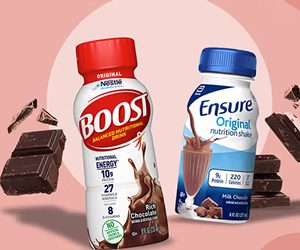
Seniors have unique nutritional needs that can greatly impact their health and well-being. To support these needs, nutritional supplements like Ensure and Boost have become popular choices. Both products offer varied formulations, flavors, and ingredients tailored to seniors, helping them reach their dietary goals. Understanding the nutrition facts of these two options can empower you to make informed decisions for yourself or your loved ones.
Nutrition Comparison
When choosing between Ensure and Boost, it’s essential to compare their nutrients side by side. Below is a comparison table highlighting key nutritional facts of both products:
| Nutrient | Ensure (per 8 fl oz) | Boost (per 8 fl oz) |
|---|---|---|
| Calories | 350 | 240 |
| Protein | 9g | 10g |
| Fat | 15g | 6g |
| Carbohydrates | 41g | 30g |
| Fiber | 1g | 3g |
| Calcium | 30% DV | 30% DV |
| Vitamin D | 25% DV | 25% DV |
From the table, we can see that both products provide important nutrients, but they differ in certain aspects. Ensure has a higher calorie count, making it suitable for those who need to gain weight or maintain energy levels. Conversely, Boost offers slightly more protein and fiber, which can support muscle health and digestive health, respectively.
Protein Content
Protein is crucial for seniors, as it assists in preserving muscle mass and promoting recovery. Ensure has 9g of protein per serving, while Boost has 10g. This minor difference may influence your choice based on individual dietary requirements. If you’re looking to increase daily protein intake, opting for the Boost option might be beneficial.
Caloric Needs
Your caloric needs tend to change as you age, often decreasing as metabolism slows. However, certain medical conditions, medications, or lifestyle factors may require boosted calorie intake. Ensure’s higher caloric content makes it a suitable choice for those with increased energy needs. On the other hand, if your goal is to maintain weight or you have a lower activity level, Boost could fit better into your regimen.
Flavor and Variety
Taste can make a significant impact on your willingness to consume nutritional beverages. Both Ensure and Boost offer a variety of flavors, including vanilla, chocolate, and strawberry, catering to different palates. Trying different flavors may enhance your overall experience, making it easier to adhere to a nutritional plan.
Choosing the Right Supplement
When deciding between Ensure and Boost, consider individual health needs and lifestyle choices. Here are a few points to ponder:
- Caloric Needs: Are you looking to gain weight or maintain your current weight?
- Protein Requirements: Do you need a higher protein intake?
- Digestive Health: Are you looking for a supplement with more fiber?
- Taste Preferences: Have you tried the flavors before? Which ones do you like best?
It’s vital to consult a healthcare professional before changing dietary habits. They can recommend the best option based on your unique situation, ensuring you make an informed decision when selecting between Ensure and Boost.
Final Thoughts
Both Ensure and Boost provide essential nutrients that can help meet the dietary needs of seniors. Understanding their nutritional facts and how they align with your health goals is crucial. To learn more about each product, visit the following resources: Ensure and Boost.
Monitoring your daily nutritional intake can lead to improvements in your health and quality of life. Whatever option you choose, both Ensure and Boost can help you on your nutritional journey.
The Role of Protein in Senior Nutrition
Protein plays a vital role in senior nutrition, contributing to overall health and well-being. As you age, your body undergoes various changes that make it essential to adjust your dietary habits. Protein helps in maintaining muscle mass, supporting your immune system, and promoting healthy skin. This article explores the significance of protein in the diets of seniors and provides practical tips for incorporating adequate protein intake.
One of the primary reasons protein is crucial for seniors is its influence on muscle health. As people age, they often experience a natural decline in muscle mass, a condition known as sarcopenia. This process can lead to weakness and an increased risk of falls. Consuming sufficient protein helps mitigate these risks by:
- Stimulating muscle protein synthesis
- Enhancing muscle strength
- Improving physical function
According to research conducted by the National Institutes of Health (NIH), seniors should aim for a daily intake of at least 1.0 to 1.2 grams of protein per kilogram of body weight. This is higher than the recommended intake for younger adults, highlighting the increased need for protein as we age.
In addition to muscle health, protein supports the immune system, which often weakens with age. A strong immune system is crucial for fighting off illnesses and infections. Foods rich in protein, such as lean meats, dairy, legumes, and nuts, can help fortify immune responses.
Another benefit of protein in senior nutrition is its role in maintaining skin and bone health. Protein helps in the production of collagen, a protein that keeps skin elastic and resilient. Additionally, it supports the structure of bones and may reduce the risk of osteoporosis.
Here’s a list of high-protein foods that seniors might consider adding to their diet:
- Lean meats (chicken, turkey, fish)
- Eggs
- Dairy products (Greek yogurt, milk, cheese)
- Legumes (beans, lentils, chickpeas)
- Nuts and seeds (almonds, chia seeds)
It’s important to note that not all protein sources are created equal. Animal proteins are generally considered complete proteins, meaning they contain all essential amino acids that our bodies cannot produce on their own. Plant proteins, while often not complete, can still provide substantial benefits. By combining different plant sources, like rice and beans, seniors can achieve a full amino acid profile.
In addition to the quality of protein, how you consume it matters too. Spreading protein intake throughout the day can be beneficial. Instead of loading up on protein during one meal, aim to include a source of protein in each meal and snack. This approach can maximize muscle protein synthesis and optimize overall nutrient absorption.
Here’s a simple sample meal plan for a day to help visualize protein intake:
| Meal | Food Item | Protein (g) |
|---|---|---|
| Breakfast | 2 Eggs | 12 |
| Snack | Greek Yogurt (1 cup) | 20 |
| Lunch | Grilled Chicken Breast (3 oz) | 26 |
| Snack | 1 oz Almonds | 6 |
| Dinner | Quinoa (1 cup) + Black Beans (1/2 cup) | 15 |
Total Protein: 79 grams
For seniors looking to improve their protein intake, consulting with a healthcare professional or a registered dietitian can provide personalized guidance tailored to individual needs. Resources such as Eat Right and Older Adult Nutrition offer additional information and tips specifically designed for senior nutrition.
Prioritizing protein in your diet is crucial as you age. It supports muscle health, boosts immunity, and helps maintain skin and bone integrity. By being mindful of your protein sources and distribution throughout the day, you can significantly enhance your overall health and quality of life.
Key Vitamins and Minerals Essential for Older Adults
As we age, our bodies experience changes that make proper nutrition even more important. Older adults often require specific vitamins and minerals to maintain their health and well-being. Understanding these key nutrients can help you make better dietary choices.
Vitamin D
Vitamin D plays a vital role in maintaining strong bones and supporting immune function. As you grow older, your skin becomes less efficient at synthesizing vitamin D from sunlight. This can lead to deficiencies.
- Benefits: Enhances calcium absorption, reduces the risk of bone fractures, and supports muscle strength.
- Sources: Fatty fish (like salmon), fortified dairy products, and supplements.
Calcium
Calcium is critical for bone health, especially in older women who are at a higher risk for osteoporosis. Adequate calcium intake can help prevent bone density loss.
- Benefits: Supports bone density, nerve function, and muscle contractions.
- Sources: Dairy products, leafy greens, almonds, and fortified plant-based milk alternatives.
Vitamin B12
This vitamin is essential for maintaining healthy nerve cells and producing DNA. Many older adults have difficulty absorbing vitamin B12 from food due to decreased stomach acid.
- Benefits: Prevents anemia and supports cognitive function.
- Sources: Meat, fish, eggs, and dairy products. Consider supplements if you have absorption issues.

Click here to preview your posts with PRO themes ››
Omega-3 Fatty Acids
Omega-3 fatty acids are known for their anti-inflammatory properties and ability to improve heart health. They can also support cognitive function and joint health.
- Benefits: Reduces the risk of heart disease, supports brain health, and alleviates joint pain.
- Sources: Fatty fish, chia seeds, flaxseeds, and walnuts.
Vitamin C
Vitamin C is an antioxidant that helps protect cells from damage and supports the immune system, especially important as you age. It also aids in collagen production for skin health.
- Benefits: Boosts immune function and promotes healthy skin and tissue repair.
- Sources: Citrus fruits, strawberries, bell peppers, and broccoli.
Magnesium
Magnesium is involved in many bodily functions, including muscle and nerve function, blood pressure regulation, and energy production. Many older adults do not get enough magnesium in their diets.
- Benefits: Supports heart health, helps with sleep quality, and regulates blood pressure.
- Sources: Nuts, seeds, whole grains, and green leafy vegetables.
Zinc
Zinc is vital for immune function, wound healing, and DNA synthesis. Older adults may have a higher risk of zinc deficiency, which can impair immune response.
- Benefits: Boosts immune health and may improve healing processes.
- Sources: Meat, shellfish, legumes, and seeds.
Potassium
Potassium helps regulate fluid balance and supports healthy blood pressure levels. It’s essential for heart health and can help prevent stroke.
- Benefits: Supports cardiovascular health and muscle function.
- Sources: Bananas, oranges, sweet potatoes, and spinach.
A variety of foods rich in these essential vitamins and minerals into your diet can significantly enhance your overall health as you age. For more detailed nutritional guidance, consider consulting with a healthcare professional or visiting reputable sites such as Nutrition.gov or Healthline’s nutrition section.
By prioritizing these nutrients, you can help ensure a healthier, more active lifestyle in your senior years. Remember to stay hydrated and maintain a balanced diet for optimal health benefits.
Managing Dietary Needs with Liquid Nutrition Supplements
As we age, managing our dietary needs can become more challenging. For seniors, maintaining proper nutrition is vital for overall health and wellbeing. Liquid nutrition supplements have gained popularity as a practical solution to ensure that dietary requirements are met. These supplements can provide essential vitamins and minerals while being easy to consume, making them an excellent choice for those who may have difficulty eating solid foods.
Liquid nutrition supplements, such as Ensure and Boost, cater specifically to the needs of older adults. They offer a convenient way to increase caloric and nutritional intake without requiring extensive preparation or cooking. Here’s a closer look at how these products can help manage dietary needs.
Understanding Liquid Nutrition Supplements
Liquid nutrition supplements come in various flavors and formulations, catering to diverse dietary requirements. They are often fortified with protein, vitamins, and minerals, helping seniors maintain a balanced diet. Below are key components typically found in these supplements:
- Protein: Essential for muscle health and repair. Adequate protein intake can help prevent muscle loss, which is common in older adults.
- Vitamins and Minerals: Nutrients such as Vitamin D, calcium, and B vitamins are crucial for bone health, cognitive function, and energy metabolism.
- Calories: Unlike regular diets, liquid supplements can deliver concentrated calories in a small volume, which is especially beneficial for those with reduced appetites.
The Benefits of Using Ensure and Boost
Both Ensure and Boost are designed to meet the specific needs of seniors. They provide various benefits, including:
| Feature | Ensure | Boost |
|---|---|---|
| Protein Content | 9 grams | 15 grams |
| Calories per Serving | 220 calories | 250 calories |
| Flavors Available | Vanilla, Chocolate, Strawberry | Vanilla, Chocolate, Berry |
| Fortified Nutrients | Vitamins A, C, D, E, Iron, Calcium | Vitamins A, C, D, E, Zinc, Iron |
By choosing the right supplement, you can enhance your nutritional intake conveniently. Keep in mind that individual needs may vary, so it’s advisable to consult with a healthcare provider before incorporating supplements into your diet.
When to Consider Liquid Nutrition
Liquid nutrition supplements may be particularly beneficial in various situations, including:
- Recovering from Illness: After surgery or illness, liquid nutrition can help speed recovery by providing necessary nutrients.
- Loss of Appetite: For seniors who find it hard to eat solid food, liquid options can ensure they still receive essential nutrients.
- Bowel Issues: With digestive problems like dysphagia or constipation, liquid diets can be easier to manage.
How to Incorporate Liquid Nutrition into Daily Life
Integrating liquid nutrition supplements into your routine can be straightforward. Here are some effective strategies:
- Start Your Day Right: Use a liquid supplement for breakfast to kick-start your day with essential nutrients.
- Mix It Up: Blend liquid supplements into smoothies or shakes for a more balanced meal that includes fruits and vegetables.
- Snack Smart: Use supplements as a nutritious snack option between meals to help boost caloric intake.
Liquid nutrition supplements, such as Ensure and Boost, not only provide essential nutrients but also offer flexibility for seniors to manage their dietary needs. When considering these products, always choose high-quality options that cater to your specific health requirements.
For more information on liquid nutrition, you can visit Ensure or Boost.
Tips for Enhancing Nutritional Intake in Seniors
As we age, maintaining good nutrition becomes increasingly important. Proper diet can enhance energy levels, manage health conditions, and improve quality of life. To help seniors boost their nutritional intake, here are some valuable tips.
Focus on Nutrient-Dense Foods
Opt for foods that pack a punch in nutrients but are lower in calories. This means choosing items like:
- Fruits and vegetables: Strive for a colorful variety to ensure a range of vitamins and minerals.
- Whole grains: Brown rice, quinoa, and whole wheat bread provide fiber and essential nutrients.
- Lean proteins: Skinless poultry, fish, beans, and legumes help maintain muscle mass.
- Dairy: Low-fat or non-fat options can provide calcium and vitamin D, critical for bone health.
Stay Hydrated
Proper hydration is crucial for senior health. Dehydration can lead to confusion, urinary issues, and other complications. Encourage seniors to drink water throughout the day. Here are some tips:
- Carry a water bottle to make drinking easier.
- Include beverages like herbal tea and broth.
- Eat water-rich fruits and vegetables, such as cucumbers and oranges.
Optimize Meal Timing
Encourage smaller, more frequent meals instead of three large ones. This can help maintain energy levels and improve digestion. A suggested meal schedule might look like:
| Time | Meal Idea |
|---|---|
| 8:00 AM | Oatmeal topped with berries and nuts |
| 10:30 AM | Greek yogurt with honey |
| 1:00 PM | Grilled chicken salad with avocado |
| 3:30 PM | Apple slices with almond butter |
| 6:00 PM | Baked fish with steamed vegetables |
Consider Supplementation
If necessary, think about adding supplements to ensure nutritional needs are being met, particularly for vitamins B12 and D, as well as calcium. Consult a healthcare provider before starting any new supplements to avoid interactions with medications. Resources such as NCBI can help highlight what seniors might need.
Encourage Social Eating
Eating with others can turn mealtime into a fun experience, making it easier to try new foods. Consider organizing small gatherings or invite friends for meal prep. It can boost appetite and morale while encouraging a wider variety of foods.
Pay Attention to Texture and Flavor
As we age, taste buds may dull, and some may have specific dietary restrictions. Adjusting food textures and enhancing flavors can make meals more appealing:
- Cook vegetables until tender, making them easier to chew.
- Use herbs and spices to enhance the taste without adding salt.
- Incorporate sauces or dressings to add flavor to lean meats and vegetables.
Plan Ahead
Planning meals for the week can help seniors make healthier choices. It reduces the temptation for convenience foods filled with preservatives and unhealthy fats. Helpful tools to consider include:
- Creating a weekly menu.
- Making a grocery list to avoid impulse buys.
- Batch cooking meals that can be frozen for later.
Monitor Dietary Needs and Preferences
Every individual is different. It’s essential to be aware of any food allergies, intolerances, or personal preferences. Keeping communication open about what they enjoy eating will ensure they are getting the nutrients they need without feeling forced to eat something undesirable.
Taking these steps can significantly enhance nutritional intake and support the overall health of seniors. For more guidance and resources, consider visiting Eatright.org to find valuable information tailored to older adults.
Conclusion
As we wrap up the exploration of Ensure and Boost nutrition facts for seniors, it’s clear that both products offer valuable support in meeting the dietary needs of older adults. Seniors often face unique challenges when it comes to nutrition, making protein intake and essential vitamins crucial for maintaining health, strength, and overall well-being. Protein plays a vital role in muscle maintenance and energy levels, which is especially important as our bodies age.
Key vitamins and minerals such as calcium, vitamin D, and B12 can significantly affect senior health, contributing to bone strength and cognitive function. Choosing the right nutritional supplements can help fill gaps in diets that may not provide the necessary nutrients due to appetite changes or health issues. Liquid nutrition supplements like Ensure and Boost serve as effective solutions, making it easier for seniors to consume vital nutrients without the stress of cooking or eating larger meals.
Enhancing nutritional intake can also be achieved through simple tips such as incorporating variety into meals and opting for nutrient-dense snacks. This can help keep meals enjoyable while ensuring that seniors receive an adequate amount of essential nutrients.
Selecting the right supplement involves considering individual dietary needs, preferences, and health conditions. By staying informed and mindful of their nutritional choices, seniors can effectively manage their health and enjoy a better quality of life. Ultimately, whether you lean towards Ensure or Boost, the goal remains the same: to provide the necessary nutrition that empowers seniors to thrive and embrace their golden years with energy and vitality.