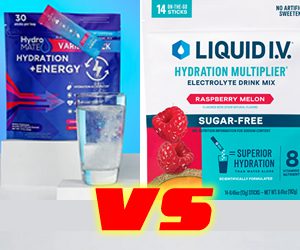
Hydromate vs. Liquid IV
Finding the right hydration drink can be challenging. Is Hydromate or Liquid IV better for staying hydrated, especially during intense workouts or long days? This guide breaks down their benefits, differences, and which option might be best for your daily routine.
What’s the Difference Between Hydromate and Liquid IV?
When it comes to hydration, Hydromate and Liquid IV are popular go-to options, but what sets them apart? While both are designed to hydrate more effectively than plain water, they differ in ingredients, electrolyte balance, and best-use scenarios.
Hydromate: Balanced Hydration for Daily Use
Hydromate is known for a blend that prioritizes balanced hydration. It provides essential electrolytes like sodium, potassium, and magnesium in ratios that suit daily hydration needs without being overly intense. The balance in Hydromate makes it suitable for people who want hydration throughout the day without a major calorie or sugar load.
- Low-Calorie Formula: With fewer calories per serving, Hydromate attracts those looking to stay hydrated without extra energy intake.
- Flavors and Variety: Hydromate offers a broader range of flavors, which can make daily hydration more enjoyable.
- Electrolyte Balance: The formula is geared toward gradual hydration, which can be beneficial for those engaging in light activities or needing consistent hydration over the day.
Liquid IV: Boosted Hydration for Quick Recovery
Liquid IV’s formula is designed for faster hydration and is often marketed as a rapid rehydration solution. With a higher sodium content, it works to absorb water quickly, making it a popular choice for athletes, travelers, or anyone dealing with dehydration due to illness or physical exertion.
- Rapid Absorption: Liquid IV uses Cellular Transport Technology (CTT) to facilitate quicker water absorption, which can be beneficial when fast hydration is needed.
- Higher Sodium and Calories: It has a higher sodium concentration, which can help in conditions of dehydration but may not be ideal for everyday hydration due to its higher calorie content.
- Fewer Flavors: While it has popular flavors, the variety isn’t as broad as Hydromate, and some may find the flavors more intense.
Key Takeaway: Targeted Uses
Hydromate is great for daily, low-key hydration, while Liquid IV works best when you need a quick hydration boost. The choice often depends on your lifestyle needs, flavor preferences, and the frequency of use.
| Attribute | Hydromate | Liquid IV | BIOLYTE |
|---|---|---|---|
| Electrolyte Content | Balanced sodium, potassium, magnesium | Higher sodium, potassium, lower magnesium | Sodium, potassium, more vitamins |
| Calories per Serving | Low-calorie | Moderate calories (45) | Higher calorie (around 50) |
| Flavors | Variety of fruity flavors | Fruity flavors, less variety than Hydromate | Limited flavor range |
| Price per Serving | Mid-range | Similar to Hydromate | Higher priced, closer to IV treatments |
| Best Use | Everyday hydration, general wellness | Quick energy boost, dehydration recovery | Intense hydration, post-sickness recovery |
Reference: Healthline for electrolyte benefits.
Benefits of Hydromate: Is It a Game-Changer in Hydration?
Hydromate has grown in popularity due to its balanced formula that supports daily hydration needs without overwhelming the body with excess sodium or sugar. Let’s explore what makes Hydromate a strong contender in the hydration market.
Everyday Use with Low-Calorie Profile
Hydromate’s low-calorie composition makes it ideal for people looking to maintain hydration without added calories. For individuals focused on calorie-conscious choices, Hydromate offers a good option that doesn’t add unnecessary sugar or energy.
- Calorie-conscious option: Hydromate’s fewer than 10 calories per serving make it appealing for those watching their caloric intake.
- Flavor without Sugar: Many flavors are offered without excess sugar, using natural flavors that make it easier to drink frequently.
Balanced Electrolytes for Gradual Hydration
Hydromate includes a balanced mix of sodium, potassium, and magnesium to provide a steady hydration boost, making it ideal for mild to moderate activity levels. This balance helps prevent the negative effects of dehydration, such as headaches or fatigue, without overloading the body with salt or calories.
- Magnesium Inclusion: Unlike many other hydration solutions, Hydromate includes magnesium, which supports muscle function and can prevent cramps.
- Gentle Sodium Levels: With less sodium than some other brands, Hydromate is gentle on daily hydration needs, preventing excess water retention.
Enhanced Flavor Options for Better Daily Use
Hydromate has a wide range of flavor options, which can make a huge difference for people who drink it daily. This variety helps keep the experience fresh, which is important for people who struggle with plain water’s taste.
- Fun, Refreshing Flavors: Hydromate flavors include options like berry, lemon-lime, and tropical, making it enjoyable and easy to stick with long-term.
Conclusion: Hydromate is designed for daily hydration, with balanced electrolytes and a low-calorie profile, making it suitable for all-day hydration without excess calories.
Is Liquid IV Worth the Hype? Pros and Cons
Liquid IV has quickly risen in popularity for its promises of rapid hydration. Its unique CTT (Cellular Transport Technology) has made it a favorite for people who need to hydrate fast. Here, we break down the pros and cons.
Advantages of Liquid IV for Fast Hydration
Liquid IV’s formula is meant to be more effective than plain water for hydration. Its high sodium content makes it particularly effective in situations where you’ve lost fluids through exercise, illness, or even long flights.
- Cellular Transport Technology (CTT): This technology is marketed as a method to improve water absorption, which means you get hydrated faster.
- High Sodium and Potassium: Liquid IV is rich in these key electrolytes, making it especially good for intense hydration.
- Ideal for Athletes and Travelers: Because of its fast absorption, it’s great for athletes who lose a lot of water through sweat or travelers adjusting to new climates.
Drawbacks: High Sodium and Sugar Content
While Liquid IV is effective in certain situations, its high sodium and sugar content may not suit everyone. For people who want a lighter hydration option for daily use, this can be a downside.
- High Caloric Content: Each serving of Liquid IV has about 45 calories, which may not seem like a lot but can add up with frequent use.
- Sodium Level: While helpful for quick hydration, higher sodium can cause issues for those with high blood pressure or a low-sodium diet.
- Limited Flavors: Although it has popular flavors, the range is not as extensive as Hydromate, and some may find the flavors overpowering.
Best Situations for Liquid IV
Liquid IV shines when you’re in urgent need of hydration. Athletes, people on long flights, or anyone recovering from illness may find it helpful. However, for everyday use, some may find it too heavy on sodium.
Conclusion: Liquid IV’s strengths lie in quick hydration, making it ideal for active people, travelers, and anyone who needs fast hydration recovery. However, its sodium and sugar levels might not make it ideal for daily, general hydration.
This article thoroughly compares Hydromate, Liquid IV, BIOLYTE, and Hydralyte to help readers find the best hydration solution for their specific needs. Each product serves a unique purpose, whether it’s for everyday hydration, quick recovery from dehydration, or post-illness rehydration. By understanding their differences in terms of electrolyte content, calorie load, and ideal use cases, readers can make informed choices about which hydration product aligns with their lifestyle.
What is Better Than Liquid IV Hydration? Exploring Alternatives
When it comes to hydration, Liquid IV is just one option. Other hydration brands like Hydralyte, BIOLYTE, and DripDrop have their own unique formulas and uses. Here’s a look at some alternatives to consider if Liquid IV doesn’t meet your needs.

Click here to preview your posts with PRO themes ››
Hydralyte: Focused on Rehydration and Electrolyte Balance
Hydralyte is similar to Liquid IV but is often marketed as a medical-grade hydration solution. It contains balanced electrolytes, and while it’s not as rapid as Liquid IV, it’s effective for rehydration after illness or exertion.
- Balanced Electrolyte Profile: Hydralyte has a more balanced electrolyte content, ideal for gentle rehydration.
- Lower Sugar Content: With less sugar, it may be a better option for those who need to avoid excess sugar in their diets.
- Gentler Sodium Levels: This is beneficial for individuals who want to rehydrate without excess sodium intake, making it useful for daily use.
DripDrop: Intense Rehydration Option
DripDrop, similar to Liquid IV, is designed for rapid rehydration. It has a higher sodium content and uses a medical-grade formula that’s suitable for emergencies or high dehydration.
- Higher Sodium for Intensity: It’s beneficial for severe dehydration but might be too intense for everyday use.
- Used by Medical Personnel: DripDrop’s medical-grade formula is often used in hospitals, and it’s suitable for high-dehydration scenarios.
Conclusion: For those looking for a lighter or more medical-focused hydration alternative, Hydralyte and DripDrop can be good choices.
Liquid IV vs. Hydralyte: Which is Better for Daily Hydration?
When comparing Liquid IV and Hydralyte, it’s essential to think about your hydration needs, lifestyle, and how frequently you plan to consume these products. While both are popular, they have distinct differences that make each suitable for different uses. Here’s a deeper look at each to help you decide which might be better for daily hydration.
Key Differences: Sodium and Sugar Content
Liquid IV has a higher sodium content and is designed for quick absorption, making it effective in situations where you need rapid hydration. However, its sodium and sugar levels may not be ideal for daily, routine hydration, especially if you’re watching your intake of these elements. This higher sodium content, while great for athletes or those in high-dehydration scenarios, might be too intense for someone simply looking to maintain a healthy hydration level.
On the other hand, Hydralyte is formulated for medical-grade rehydration and generally has a more balanced approach to electrolytes. It includes less sugar and sodium compared to Liquid IV, which can make it gentler for daily use and more suitable for individuals who are simply looking to maintain hydration.
Pros of Hydralyte for Daily Use
- Balanced Formula: Hydralyte offers a more gentle balance of electrolytes, making it better suited for general hydration needs without overloading the body.
- Low-Sugar Option: With less sugar than Liquid IV, Hydralyte may be preferable for those who want to avoid blood sugar spikes or simply prefer a less sweet option.
- Widely Used in Medical Settings: It’s trusted in medical contexts, which can provide some peace of mind for those who want a safe, effective hydration solution.
Pros of Liquid IV for Active Lifestyles
- Quick Absorption: With its Cellular Transport Technology, Liquid IV hydrates quickly, which is especially beneficial if you’ve been working out or are dehydrated due to heat or illness.
- Higher Sodium for Intensity: The high sodium content in Liquid IV helps to replenish salts lost through sweat, making it a strong choice for athletes.
- Popular Flavor Options: While limited, the flavors are generally liked and can make hydration more enjoyable.
Which is Better?
If you need a hydration option for daily, consistent use, Hydralyte may be the better choice due to its balanced electrolyte profile and lower sugar and sodium content. For those needing quick rehydration after intense exercise or long travel, Liquid IV may be more effective. Ultimately, Hydralyte is better suited for routine hydration, while Liquid IV shines in high-demand situations.
Can You Drink a Liquid IV Every Day? Safety and Health Insights
Many people wonder if it’s okay to drink Liquid IV every day. While it’s a convenient and effective hydration solution, there are a few considerations for daily use.
Nutritional Content of Liquid IV
Each serving of Liquid IV contains about 45 calories, with around 500 mg of sodium and 11 grams of sugar. This composition is excellent for quickly replenishing electrolytes, but it may be too much for someone who’s simply looking to stay hydrated without high physical exertion.
- High Sodium Levels: For those who are sensitive to sodium or have conditions like hypertension, Liquid IV’s sodium content may be a concern. High sodium intake on a daily basis can lead to increased blood pressure or other health issues, especially for those not losing much sodium through sweat or exertion.
- Sugar Content: While not excessively high, the sugar in Liquid IV can add up if consumed daily. This could be problematic for individuals managing blood sugar levels or those simply watching their sugar intake.
Situations Where Daily Use Might Be Okay
Daily use of Liquid IV might be suitable for those who have physically demanding jobs, athletes, or people who live in hot climates where they sweat regularly. In these cases, the body may lose more electrolytes, and Liquid IV’s formula can help replenish these quickly.
- Athletes and Active Individuals: Athletes, especially those who sweat heavily, may find daily use beneficial, as it can keep them hydrated without constantly reaching for multiple bottles of water.
- Heat-Exposed Jobs: For individuals working in high-heat environments or people in professions like firefighting or construction, frequent hydration with electrolytes can prevent dehydration and maintain energy levels.
When Daily Use Isn’t Recommended
For the average person with a regular daily routine and no intense physical activity, drinking Liquid IV every day might not be necessary. The additional sodium and sugar may not provide significant benefits and could contribute to unnecessary intake of these elements.
Conclusion: Drinking Liquid IV every day may be okay in specific situations, particularly for those with high hydration needs due to physical exertion. However, for most people, occasional use or opting for a product with lower sodium and sugar may be better.
The Best IV Hydration for Dehydration: A Look at Top Options
When it comes to dehydration, whether from illness, heat, or physical activity, IV hydration drinks like Liquid IV, Hydromate, and BIOLYTE can help. Each offers a unique blend of electrolytes, sugar, and calories that make them effective in different scenarios.
Liquid IV: Fast Hydration for Dehydration Recovery
Liquid IV is often touted as one of the best options for quick rehydration. With its Cellular Transport Technology (CTT) and high sodium and potassium content, it is particularly effective when fast hydration is essential. This makes it suitable for dehydration caused by heavy sweating, travel, or recovery from mild sickness.
- Cellular Transport Technology (CTT): By enhancing water absorption, CTT allows Liquid IV to hydrate faster than water alone.
- Ideal Sodium and Potassium Mix: These ingredients are essential for replenishing electrolytes lost through sweat, making it an efficient recovery tool for dehydration.
BIOLYTE: “IV in a Bottle” for Severe Dehydration
BIOLYTE is marketed as “IV in a bottle” and is designed for people who need intense rehydration. It contains a higher amount of electrolytes, vitamins, and calories, which can be effective for people recovering from illness, travel fatigue, or heavy workouts. The product is often recommended for those who might need more than what Liquid IV offers.
- Higher Electrolyte Content: With sodium, potassium, magnesium, and other electrolytes, BIOLYTE is similar to medical-grade IV hydration.
- Vitamin Enrichment: BIOLYTE includes additional vitamins like B vitamins and vitamin C, which support immune function and energy recovery.
- Suitable for Severe Dehydration: This makes BIOLYTE an ideal choice for anyone dealing with severe dehydration, sickness, or intense fatigue.
Hydromate: Balanced Option for Mild to Moderate Dehydration
For people dealing with mild to moderate dehydration, Hydromate provides a balanced mix of electrolytes without the intensity of Liquid IV or BIOLYTE. Its lower calorie count and gentle sodium levels make it suitable for those looking to rehydrate without a heavy electrolyte load.
Conclusion: For moderate to severe dehydration, BIOLYTE may be the best choice due to its higher electrolyte and vitamin content. For those needing quick but moderate hydration, Liquid IV is effective, and for mild dehydration, Hydromate offers a balanced option.
BIOLYTE vs. Liquid IV: Are They the Same, or Is There a Difference?
While BIOLYTE and Liquid IV may seem similar, they serve slightly different purposes in the hydration market. Here’s a closer comparison to help you understand their unique strengths.
BIOLYTE: IV Hydration for Severe Recovery
BIOLYTE is designed to mimic the effects of an IV drip in a convenient bottle. It’s geared toward people who need significant electrolyte replenishment, making it useful for post-illness recovery or severe dehydration.
- Medical-Grade Electrolyte Mix: BIOLYTE includes higher electrolyte concentrations than Liquid IV, which can be more suitable for people recovering from sickness.
- Vitamin-Enhanced: With additional vitamins, BIOLYTE offers immune support and energy recovery, making it especially beneficial after an illness or intense physical exertion.
- Higher Calorie and Sugar Content: Due to its rich electrolyte and vitamin mix, BIOLYTE is higher in calories, making it more of a recovery beverage than a daily hydration drink.
Liquid IV: Practical Hydration for General Dehydration
Liquid IV focuses on quick hydration for general use and is ideal for people who need to rehydrate without severe dehydration symptoms. It’s convenient and can be used daily or as needed without as many calories or vitamins as BIOLYTE.
- Lower Calorie: With around 45 calories per serving, Liquid IV is easier to use regularly compared to the higher-calorie BIOLYTE.
- Fast Hydration with CTT: The CTT technology in Liquid IV promotes quick water absorption, making it convenient for travelers or athletes needing fast hydration.
Conclusion: While both drinks are effective, BIOLYTE is better for recovery after severe dehydration or sickness due to its vitamin and electrolyte profile. Liquid IV is a versatile, lower-calorie option for general hydration.
Useful Links
To further explore the benefits and differences of hydration solutions like Hydromate, Liquid IV, and BIOLYTE, check out these reputable sources:
- CDC’s Hydration Recommendations – The Centers for Disease Control and Prevention (CDC) explains the importance of drinking water and maintaining hydration.
- Hydration Needs for Athletes – Mayo Clinic discusses specific hydration requirements for athletes.